Thailand's New 3 Baht Electricity Rate: What Every Tenant Needs to Know Before August 2026
Lease Shield is not a law firm and does not provide legal advice. This article is for informational purposes only. The electricity rate changes described are approved by the National Energy Policy Council but remain subject to a 15-day public consultation by the Energy Regulatory Commission and final cabinet approval before taking effect. Confirm current rates with your electricity provider before taking action.
Quick Facts: Thailand Electricity Rate Change 2026
- • Approved by: National Energy Policy Council (NEPC)
- • Date approved: 15 July 2026
- • New rate: 3 baht per unit for first 200 units/month
- • Previous rate: 3.95 baht per unit
- • Above 200 units: Current rates remain unchanged
- • Street lighting charge: Removed from household bills
- • Target effective date: August 2026 billing cycle
- • Still required: ERC 15-day public consultation and cabinet approval before implementation
- • Applies to: Households including rental tenants
- • Landlords with 3+ units: Already prohibited from charging above government rates under 2025 law
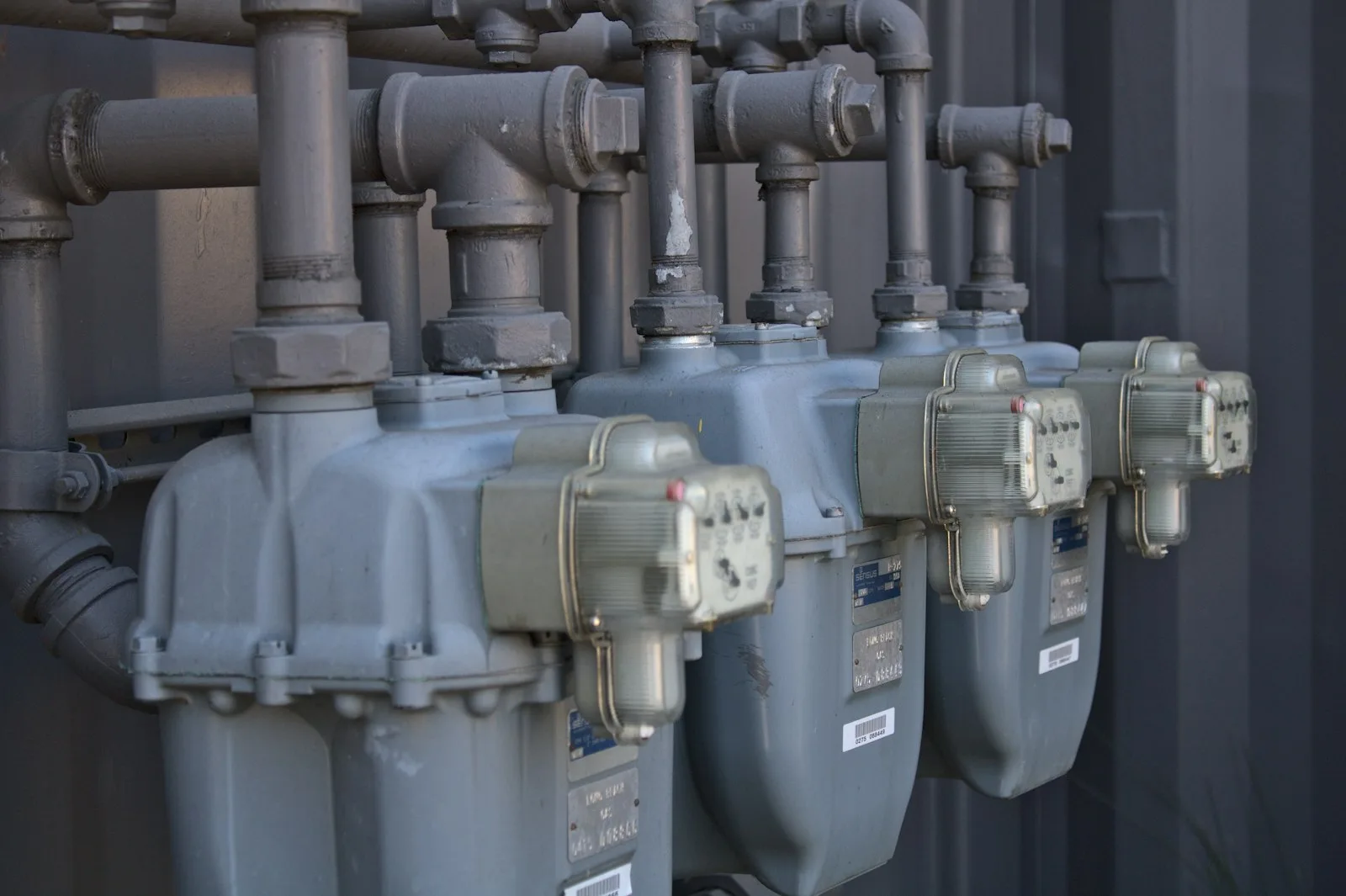
Thailand has just approved a significant cut to household electricity rates. From August 2026, the first 200 units of electricity each month will be charged at a flat rate of 3 baht per unit, down from 3.95 baht. Street lighting costs, quietly added to household bills for 40 years without most people knowing, will also be removed. For tenants in Thailand, this matters for one specific reason: if your landlord has been charging you above the government rate for electricity, they were already in breach of the 2025 rental regulations. After August, the gap between what they should be charging and what some are charging gets even wider.
Not sure what your lease says about utility charges?
Scan Your Lease FreeWhat Thailand's New Electricity Rate Actually Means
On 15 July 2026, the National Energy Policy Council, chaired by Prime Minister Anutin Charnvirakul, approved a restructure of Thailand's residential electricity pricing. The changes are subject to a 15-day public consultation by the Energy Regulatory Commission and final cabinet approval, with adoption targeted for the August billing cycle.
The key change for households and tenants:
A flat rate of 3 baht per kilowatt hour will apply to the first 200 units consumed each month. This replaces the current rate of 3.95 baht per unit for the same consumption band. For households using up to 200 units per month, this represents a meaningful reduction.
Electricity usage above 200 units per month remains at current rates, which are under separate review by the Energy Regulatory Commission.
The street lighting charge, which added approximately 0.10 baht per unit to all household bills and had been embedded in bills for 40 years without most people being aware, will also be removed. The cost will be funded through alternative mechanisms including revenue from data centre electricity tariffs.
The new pricing explicitly applies to tenants of rented properties including rental houses, rooms, apartments and hostel rooms, as confirmed by the Energy Minister.
"The new 3 baht rate explicitly covers tenants of rented properties. If your landlord charges you for electricity, these changes apply directly to your monthly bill."
Why This Matters More If You Are a Rental Tenant in Thailand
Most tenants in Thailand do not pay their electricity bill directly to the electricity authority. They pay it to their landlord, who then settles the actual bill. This arrangement has created a well-documented problem: landlords marking up the rate they charge tenants above what the electricity authority actually charges them.
Common landlord-charged rates in Bangkok and Pattaya rental buildings have ranged from 5 to 10 baht per unit. The official government rate being replaced was 3.95 baht. The incoming rate for the first 200 units is 3 baht. The gap between what some landlords charge and what the government rate actually is has never been wider.
This is not a grey area under Thai law for landlords with three or more residential units. The 2025 Consumer Protection Board Notification, which came into effect on 4 September 2025, explicitly prohibits landlords operating three or more units from charging tenants above the official government electricity and water tariff rates. A landlord charging 7 baht per unit was in breach of this regulation before August. After August, they will be even further outside the permitted rate.
Thailand's New Rental Law 2025: what changed for utility charges
How to Check What Your Lease Says About Electricity
Your lease agreement is the starting point. It may specify how electricity is charged, at what rate, and on what basis the rate can be changed. Several scenarios exist.
Your Lease States a Fixed Electricity Rate Above the Government Tariff
Any clause setting a fixed electricity rate above the official government rate is unenforceable for landlords with three or more units under the 2025 Consumer Protection Board Notification. The clause does not disappear from the document, but it cannot be enforced legally. You are entitled to be charged at the government rate regardless of what the document states.
Your Lease States You Pay Electricity at the Landlord's Rate With No Specified Amount
This is common in informal leases. Where no rate is specified, the government rate is the reference point for what is reasonable. A landlord charging significantly above this rate with no contractual basis for doing so is in a vulnerable legal position in any dispute.
Your Lease Makes No Reference to Electricity
Where the lease is silent on electricity, payment arrangements have often been agreed verbally. In these cases, documenting what you currently pay and comparing it against the government rate is the practical first step.
Your Lease States Electricity at Government Rates
If your lease already specifies government rates, the August change should automatically reduce your electricity costs from that billing cycle onwards. If your landlord does not adjust the rate after August, you can formally request the reduction in writing citing the new approved rates.
What to Do If Your Landlord Is Overcharging for Electricity
If you believe you are currently being charged above the government rate, these steps apply whether or not the August rate change has yet taken effect.
First, establish what rate you are being charged. Check your monthly utility statement or ask your landlord for a written breakdown. The number of units consumed and the rate per unit should be clearly stated.
Second, compare it against the current government rate of 3.95 baht per unit for residential consumers before August, or 3 baht for the first 200 units from August onwards subject to final approval.
Third, if you are renting from a landlord with three or more units and the rate charged is above the government tariff, raise it formally in writing. A written request citing the 2025 Consumer Protection Board Notification and asking for confirmation of the rate being applied puts the matter on record.
If the overcharging continues after a written request, a formal demand letter citing the relevant legal framework is the next step. Lease Shield Resolve provides professionally drafted demand letters in Thai and English without requiring expensive legal representation.
Open a Lease Shield Resolve case for utility overcharging support
The Street Lighting Change and What It Means for Your Bill
The removal of street lighting costs from household electricity bills is a separate but significant change. Most Thai households and tenants have been paying approximately 0.10 baht per unit extra to fund public street lighting for decades, without this charge being clearly disclosed on bills.
From August, this charge should no longer appear in residential electricity bills. For tenants paying landlords at government rates, this should reduce their monthly electricity cost slightly in addition to the rate reduction on the first 200 units.
For tenants paying a flat landlord-set rate rather than the government rate, the benefit depends entirely on whether the landlord passes the reduction through. A landlord who has been charging a fixed inflated rate has no automatic mechanism to pass through the government's cost reductions. This is a further reason why paying at government rates, as required by the 2025 regulations for qualifying landlords, matters.
Frequently Asked Questions
Related Articles
This article is for informational purposes only and does not constitute legal advice. Lease Shield is not a law firm. For legal matters relating to your tenancy, consult a qualified Thai property lawyer.
Know What Your Lease Says About Electricity Before August
The rate change is coming. Whether it reduces your bill depends on what your lease says and whether your landlord complies. Scan your lease now to understand exactly what you agreed to and whether the utility clause your landlord is relying on is even enforceable.
Scan My Lease FreeAlready being overcharged for utilities? Lease Shield Resolve provides professional demand letters in Thai and English.
Get Dispute Support