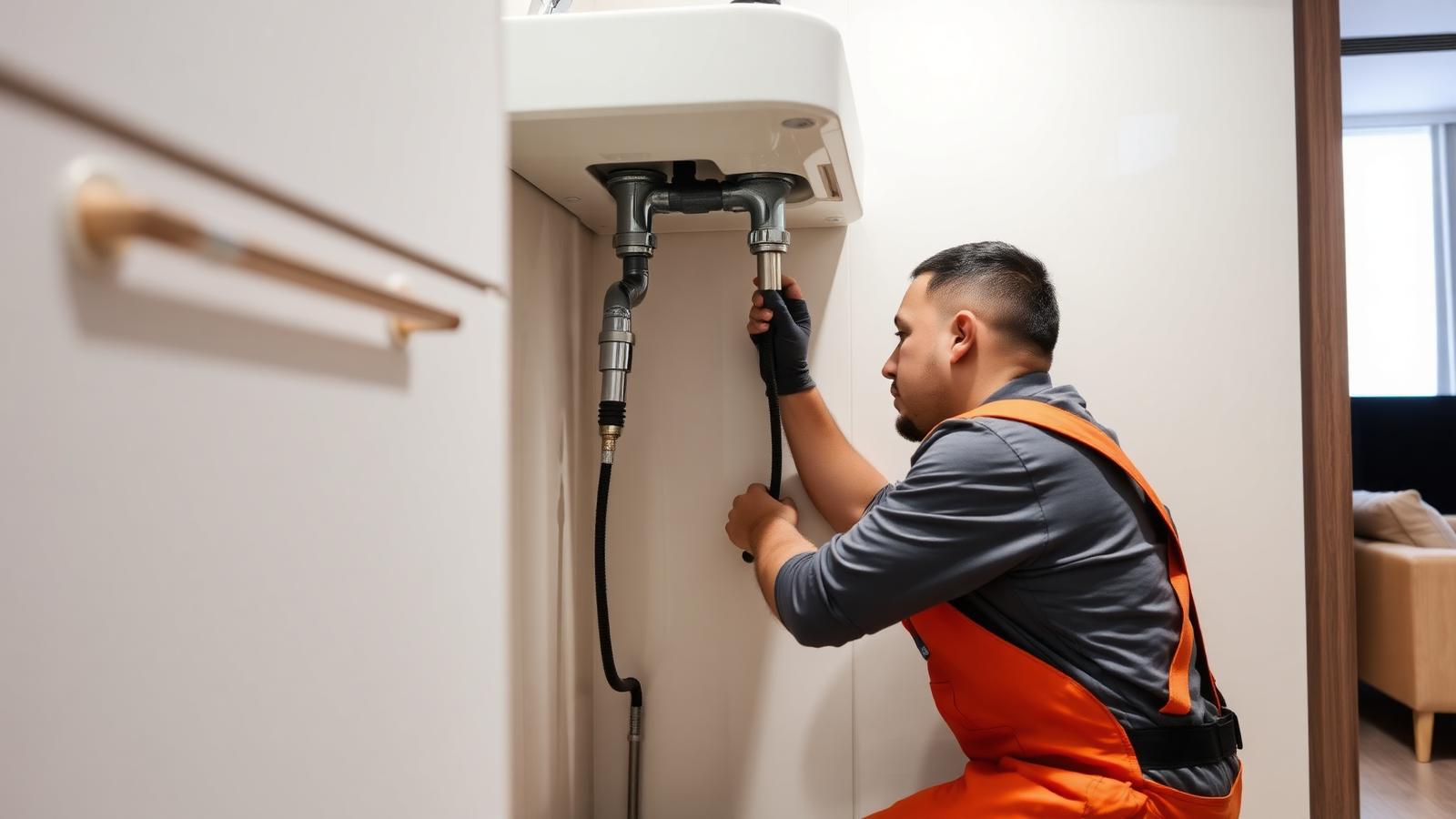
One of the most common sources of rental disputes in Thailand is not the deposit; it is maintenance. Who pays for a broken air conditioner? Who is responsible when a pipe bursts? What happens when a landlord simply ignores a repair request? The law is clearer than most people realise, and knowing your position before a problem arises is the difference between a resolved issue and a spiralling dispute.
The Legal Framework: Thailand's Civil and Commercial Code
Rental agreements in Thailand are governed primarily by Sections 537 to 571 of the Thai Civil and Commercial Code (CCC). For properties managed by business landlords, defined since September 2025 as anyone renting three or more residential units, the 2025 Notification of the Contract Committee under the Consumer Protection Act (effective 4 September 2025) adds a further layer of mandatory protections that cannot be contracted out of.
The key sections for maintenance are:
- Section 546: The landlord must deliver the property in a good state of repair at the start of the tenancy.
- Section 547: The landlord must reimburse the tenant for any necessary and reasonable expenses incurred to preserve the property, except routine maintenance and minor repairs.
- Section 550: The landlord is liable for defects that arise during the tenancy and must carry out all repairs required, except those legally or by custom assigned to the tenant.
- Section 551: If a defect does not completely prevent use of the property, the tenant must first notify the landlord in writing and allow a reasonable time to fix it before escalating.
- Section 553: The tenant is responsible for ordinary maintenance and minor repairs throughout the tenancy.
The 2025 Consumer Protection update strengthened these protections further. Landlords can no longer charge tenants for normal wear and tear, and any deposit deductions for maintenance must now be verified with documented evidence.
What the Landlord Is Responsible For
Under Thai law the landlord carries responsibility for all major repairs and structural issues that arise through normal use, not caused by tenant negligence. This includes:
- Structural issues: walls, roof, foundations, floors
- Major plumbing: burst pipes, water supply failure, drainage problems
- Electrical systems: wiring faults, circuit failures, power supply issues
- Air conditioning: where supplied as part of the rental
- Appliances: where included in the lease inventory
- Common area maintenance: where applicable
If the landlord fails to carry out necessary repairs within a reasonable time after written notification, Section 551 of the CCC gives the tenant the right to arrange the repair themselves and seek reimbursement, or in serious cases, terminate the lease entirely.
The 2025 update makes clear that landlords cannot charge tenants for damage resulting from normal deterioration, force majeure events, or issues beyond the tenant's control.
Report and track maintenance requests
What the Tenant Is Responsible For
Section 553 of the CCC places routine upkeep firmly with the tenant. This means:
- Day-to-day cleaning and general tidiness
- Replacing consumables: light bulbs, batteries, filters
- Minor repairs: loose fixtures, small leaks from taps
- Keeping appliances in working order through proper use
- Reporting damage or defects promptly in writing
The critical distinction is between wear and tear, which is expected and cannot be charged back, and damage caused by misuse or negligence, which is the tenant's financial responsibility. Under the 2025 Consumer Protection rules, landlords cannot deduct normal wear and tear from a deposit. Any deduction must be evidenced and documented.
Upload your move-in condition photos
The 2025 Rule Change That Protects Both Sides
As of 4 September 2025, Thailand's Consumer Protection Board introduced new mandatory standards for business landlords (those renting three or more units). Key changes relevant to maintenance:
- Move-in inspection reports with photographs must be signed by both parties and attached to the lease
- Landlords cannot charge for normal wear and tear under any circumstances
- Deposit deductions for repairs must be verified with evidence, not assumed
- Landlords must provide invoices for any utility or service charges at least three days before payment
- Tenants cannot be evicted or locked out without following proper legal process
These rules apply regardless of what a lease says. Any clause attempting to override them is void.
Why Documentation Is Everything
Thai courts and dispute resolution processes rely heavily on written evidence. A verbal complaint to your landlord about a broken water heater carries no legal weight. The same complaint sent via LINE, email, or formal letter, with a timestamp and a description of the issue, creates a record that protects you.
Documentation you should keep:
- Move-in condition report signed by both parties
- Photographs of every room and appliance at move-in
- Written maintenance requests with dates sent
- Landlord responses (or lack thereof) in writing
- Receipts for any repairs you arranged yourself
- Move-out photographs compared against move-in
Without this paper trail, disputes become one person's word against another's, and that rarely ends well for either party.
Store all your maintenance records in Lease Shield's Evidence Vault
How to Submit a Maintenance Request Properly
The way you report a maintenance issue matters as much as reporting it at all. Follow these steps:
- Document the issue, photograph or video the defect clearly before contacting anyone
- Submit in writing, use LINE, email, or a formal letter. Never rely on a phone call alone
- Be specific, describe the defect, its location, and when it appeared
- Set a reasonable deadline, request a response within 7 days for non-urgent issues, 24–48 hours for urgent ones
- Log the request, record the date, time, and method of submission
- Follow up in writing if there is no response, this creates a documented escalation trail
- If ignored, escalate formally via a demand letter before considering further action
Use Lease Shield's maintenance tracker to log every request
When a Landlord Refuses to Repair
If a landlord ignores a legitimate repair request after written notification and a reasonable time has passed, you have options under Thai law:
- Arrange the repair yourself and claim reimbursement under Section 547 of the CCC, provided the expense was necessary and reasonable
- Request a rent reduction proportional to the loss of use caused by the defect
- Terminate the lease under Section 551 if the defect is serious enough to deprive you of use of the property
In all cases your written documentation, the maintenance requests, the timestamps, the photos, is what makes your position defensible. Without it, even a clear-cut case becomes difficult.
Open a Resolve case if your landlord won't act