December Rental Warning: Why Most Deposit Disputes in Thailand Start at Year-End
December is one of the worst months to rent in Thailand.
High demand, rushed decisions, holiday closures, and agents pushing urgency all combine into one thing: tenants making expensive mistakes.
Every year, Lease Shield sees the same pattern:
- Deposits paid too quickly
- Leases signed without review
- Verbal promises replacing written terms
- Problems only discovered when it's time to move out
This guide explains why December is risky, what both expats and Thai tenants should watch for, and how to protect yourself before money changes hands.
Important: Lease Shield is not a law firm and does not provide legal advice. All services are documentation-based and designed to help tenants stay organised, informed, and protected.
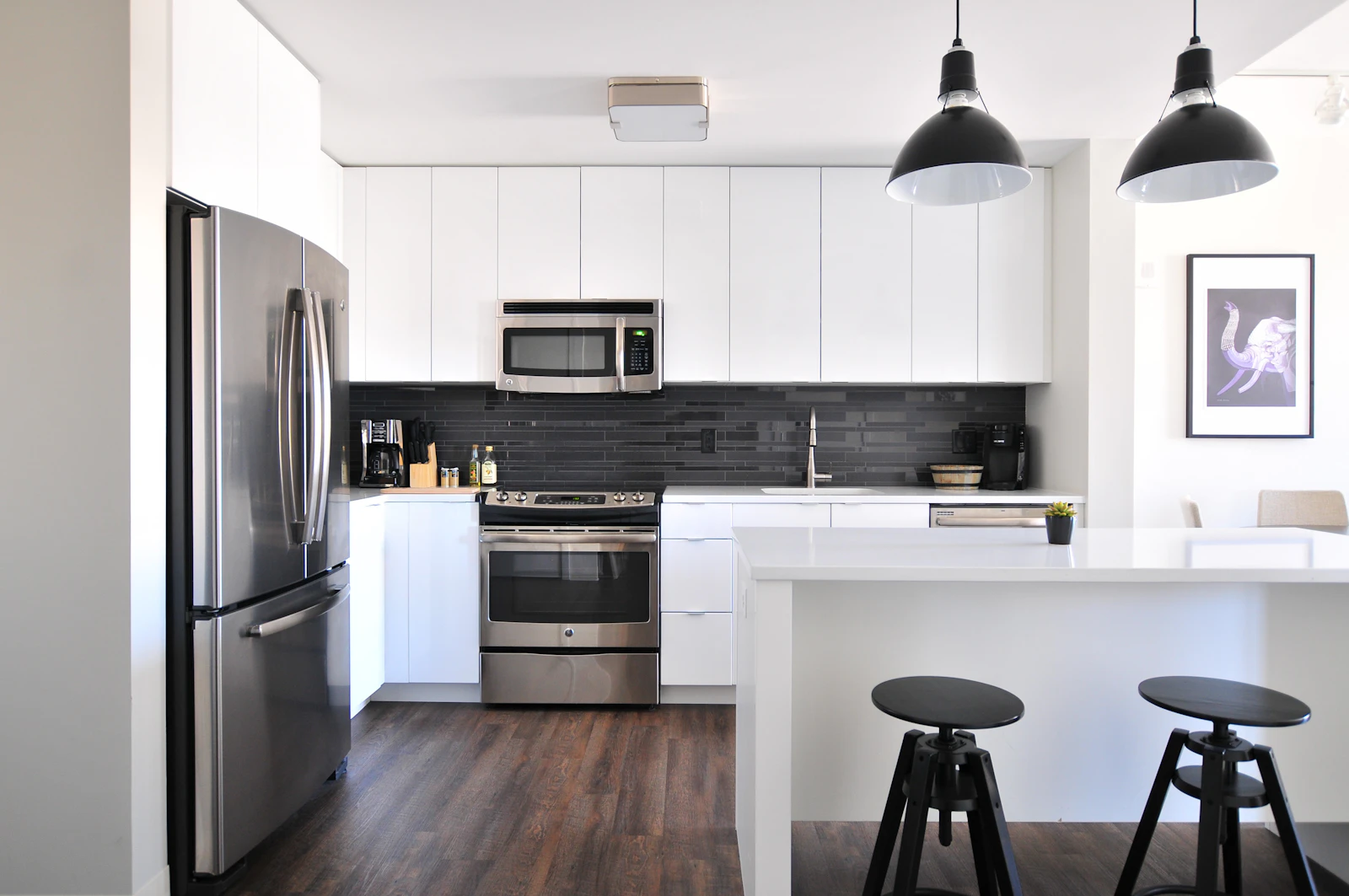
1. Why December Is High-Risk for Renters in Thailand
December rental demand spikes due to:
- Year-end relocations
- New jobs starting in January
- Holiday travel and short decision windows
- Landlords and juristic offices closing or operating with skeleton staff
That creates pressure.
Pressure is where mistakes happen.
Common December problems include:
- "Just pay the deposit to hold it"
- "The contract is standard, don't worry"
- "Owner is overseas, we'll fix details later"
- "This unit will be gone today"
If you rush, you lose leverage.
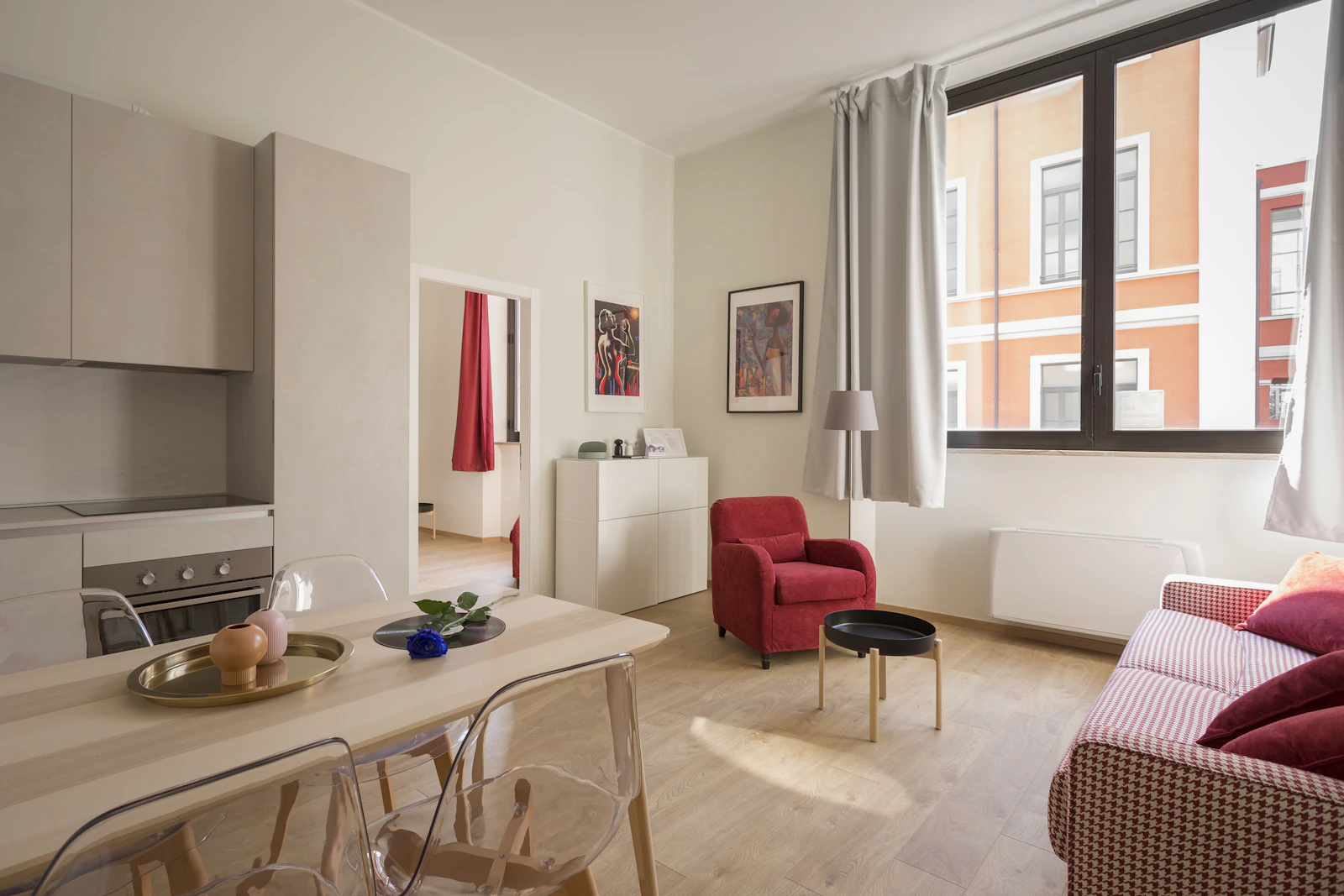
2. Mistakes Expats Make (Especially in December)
Foreign tenants face extra risk, particularly when renting at short notice.
Common expat mistakes:
- Trusting English summaries instead of the Thai lease
- Assuming deposits are protected "by law"
- Believing agents are neutral (they're paid by landlords)
- Not documenting unit condition properly at move-in
- Paying deposits before seeing the final contract
Many expats only discover issues at move-out, when the deposit is already withheld.
👉 Related reading: How to Find a Reliable Rental Agent in Thailand
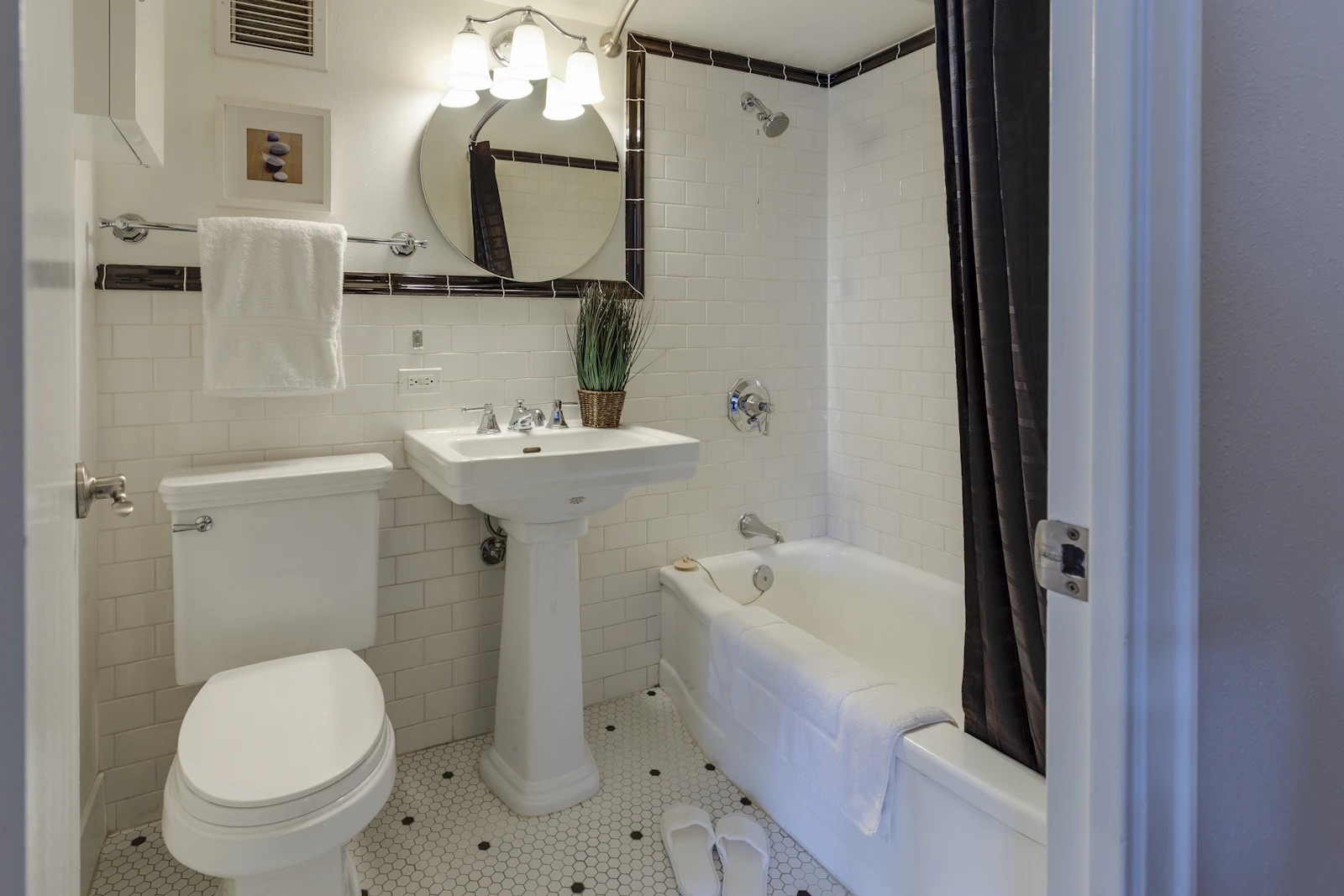
3. Mistakes Thai Tenants Make at Year-End
Thai tenants aren't immune. December creates different traps.
Common local tenant issues include:
- Accepting unclear utility pricing
- Not questioning "standard" cleaning fees
- No written agreement on repairs
- No checklist signed at move-in
- Letting emotional pressure override documentation
The result is the same: deposit disputes later.

4. December Red Flags You Should Never Ignore
If you see any of the following, stop:
- Deposit requested before contract review
- Agent discourages taking the contract home
- Different terms discussed verbally vs written
- No clear deposit return timeline
- Vague "wear and tear" language
- Utilities priced above government rates without explanation
These red flags spike in December because tenants are in a hurry.
5. Why Most Deposit Disputes Start Before You Move In
Here's the hard truth:
Most rental problems in Thailand don't come from bad luck. They come from poor documentation.
Issues that almost always cause disputes:
- No photo or video evidence at move-in
- No written agreement on existing damage
- No clarity on cleaning, repainting, or air-con fees
- No record of payments and communications
Once you move out, it's too late to fix this.
👉 Read next: Thai Deposit Laws Explained
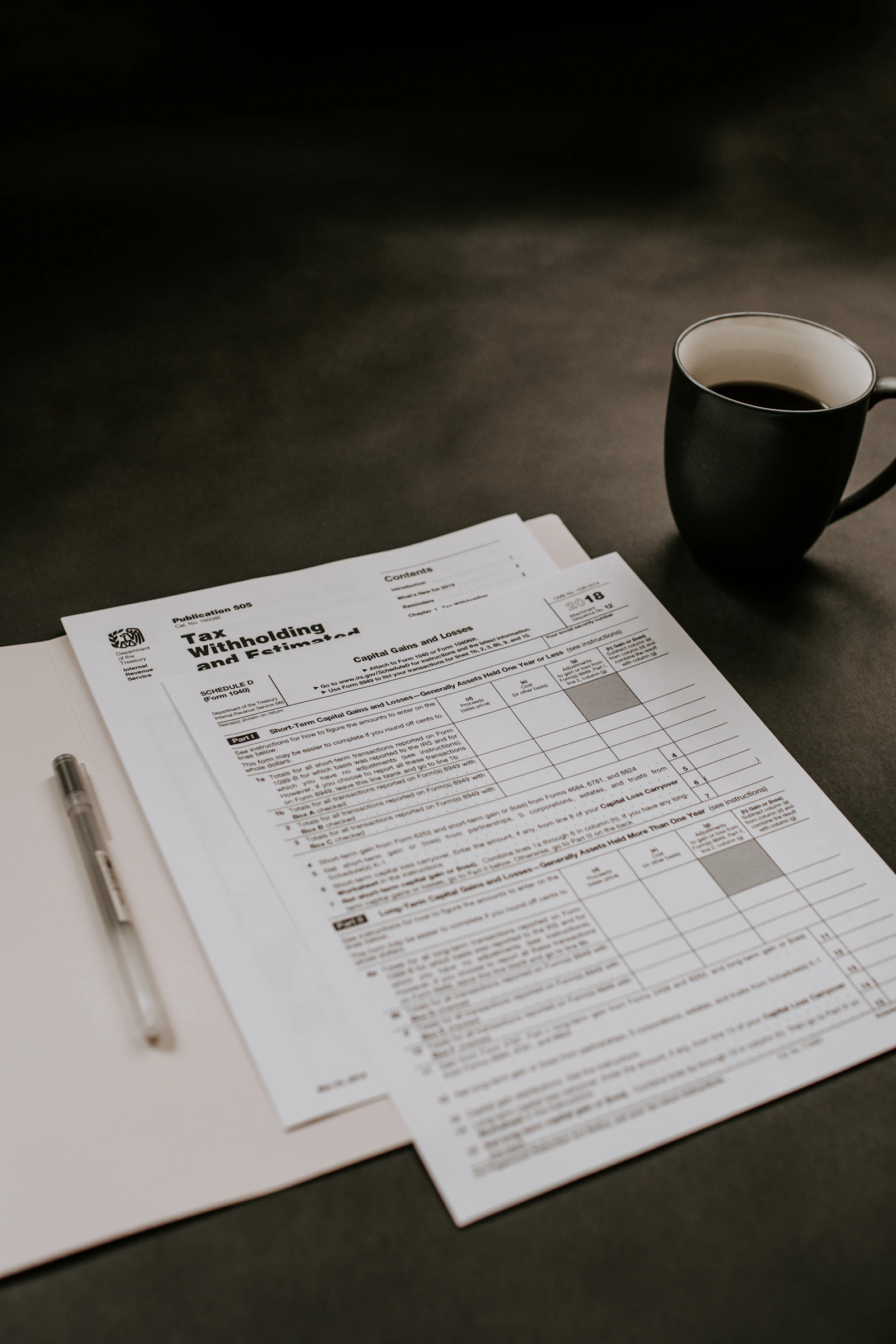
6. How Lease Shield Protects You (Especially in December)
Lease Shield exists for exactly this situation.
We don't give legal advice. We give structure, evidence, and clarity.
Lease Shield helps you:
- Scan leases for red flags before signing
- Organise contracts, receipts, and communications
- Document unit condition properly at move-in
- Track deposits and fees clearly
- Prepare move-out comparisons with evidence
- Avoid disputes by being organised from day one
Everything is stored online and accessible anytime.
👉 View protection plans: https://leaseshield.asia/pricing
7. Final Thoughts: Slow Down to Save Money
December isn't a bad time to rent. Rushing is.
If you slow down, review properly, and document everything:
- You avoid most common disputes
- You protect your deposit
- You rent with confidence instead of stress
If you're renting in Thailand this December, protect yourself before you pay.

Why December Creates a Perfect Storm for Deposit Disputes in Thailand
December is the peak month for lease endings in Thailand. Expats who arrived in January typically hit their 12-month lease anniversary in December. A large number of corporate relocations and annual contracts also conclude around the same time. The result is a concentrated wave of simultaneous move-outs, deposit return requests, and landlord inspections, all happening when landlords and building management are also managing holiday absences, travel, and year-end distractions.
For tenants, this creates three specific risks. Response times slow down. Landlords who are travelling or unavailable delay inspections, which delays the deposit return clock even starting. Disputes that would have been resolved quickly in February can drag through January and February before any formal resolution process begins.
The tenant who prepared in advance - with documented evidence, a clear understanding of the return timeline, and a written record of the property's condition - navigates this period cleanly. The tenant who relied on goodwill and a verbal agreement about the deposit typically does not.
Your December Move-Out Checklist
If your lease ends in December or January, work through this checklist at least two weeks before your vacate date.
Confirm the deposit return process in writing with your landlord. Ask explicitly who will conduct the inspection, when it will take place, and what the timeline for return is. Get the answers in writing - a LINE message is fine.
Review your original move-in condition report or photos. Walk through the property and compare current condition against what was documented when you arrived. Identify anything that has changed beyond normal wear and tear and decide whether to address it before the inspection.
Check your lease for any specific move-out requirements. Some leases specify professional cleaning, particular notice requirements, or specific return procedures for keys and access cards. Missing these requirements can give a landlord grounds to delay the process.
Photograph and video the property on your final day before you move anything out. This creates a clear dated record of the property's condition at handover.
Return keys in person wherever possible and get written confirmation of receipt. A simple LINE message from the landlord confirming keys received is sufficient.
Store your move-out evidence in the Evidence Vault before handing back keys
What to Do If Your December Deposit Is Not Returned on Time
Under Thailand's 2025 Consumer Protection Board Notification, landlords operating three or more residential units must return deposits within 7 days of a clean inspection or within 14 days if deductions are made. Do not wait weeks before acting if these deadlines pass.
On the day after the deadline, send a written demand via both LINE and email. State the amount owed, the legal deadline that has passed, and a specific date by which you require payment. Keep the tone professional. The goal is resolution, not confrontation.
If a written demand produces no response within seven days, a professionally drafted formal demand letter in Thai and English significantly increases the pressure. Most landlords who have ignored informal messages respond to formal correspondence that references the Consumer Protection Board Notification and its criminal penalties.
Do not accept vague timelines. A response of settling it after the holidays is not acceptable when a legally required deadline has already passed. Acknowledge the communication, confirm your deadline stands, and document the exchange.
Lease Shield Resolve drafts professional demand letters in Thai and English
Common December Landlord Tactics and How to Handle Them
Certain patterns appear repeatedly in December deposit disputes in Thailand. Recognising them early puts you in a much stronger position.
Delay through unavailability is the most common. The landlord is travelling, out of contact, or simply not responding. Counter this by putting every communication in writing from the moment you give notice. A paper trail of unanswered messages is itself evidence in a dispute.
Inflated damage claims at year-end are also well documented. After a long tenancy, landlords sometimes present a list of deductions that includes normal wear and tear items such as repainting walls, replacing worn fixtures, or professional carpet cleaning. Under the 2025 law, these are not legitimate deductions. Your move-in and move-out photos are the clearest counter to these claims.
Pressure to accept a partial settlement is another pattern. A landlord who offers 60 percent of your deposit to avoid trouble is relying on your willingness to accept less rather than pursue the full amount. With good documentation, the full amount is recoverable.
How to End a Lease Early in Thailand Without Losing Your Deposit
Related Articles
This article is for informational purposes only and does not constitute legal advice. Lease Shield is not a law firm. For legal matters relating to your tenancy, consult a qualified Thai property lawyer.
Start Protecting Your Rental Journey
Get started with Lease Shield's documentation tools today.
Get Instant AccessDisclaimer: Lease Shield is not a law firm and does not provide legal advice. Services are documentation-based and designed to help tenants stay organised, informed, and protected.